
Global Care Packs
For Educators and Teachers

Learning that equips teachers to bring connection, experience and regeneration into the foundations of education systems
The Connect & Thrive Teacher Program supports educators with age-specific courses, lesson plans, teaching resources and experiential learning for students aged 7–18.
Teachers are supported through online learning, weekly webinars and opportunities for shared and place-based experiences.
The Connect & Thrive Teacher Program supports teachers and educators to bring regenerative, experiential learning into classrooms and learning communities. Teachers choose an age-specific program for 6–8, 9–11, 12–14 or 15–17, progressing from nature connection and experiential learning through community, cooperation, knowledge systems and regeneration.
Each program provides 21 lessons for a year of learning, with complete lesson plans, student learning packages, activities and supporting resources. Learning combines classroom study with observation, investigation, reflection and direct experience, allowing the program to fit within an existing school timetable while connecting learning with the places where students live.
Teachers begin with the online Introduction Course, followed by weekly online webinars, resources and guidance as they work through the program with their students. Classes and learning groups can also participate in optional experiential events, field experiences and place-based programs that extend learning beyond the classroom.
Available for English and ESL learning
The program is available for first-language English learners, with an ESL pathway providing supplementary language-learning materials.
Bring Connect & Thrive to your students
Contact us for a free online presentation and conversation about how the program could work within your school, timetable and learning environment.
Connect & Thrive Teacher Program

The Free Online Introduction Course
Discover the ideas, people, and learning pathways behind Thriving Futures 2100 and Global Care Packs through a short introduction that combines storytelling, practical awareness skills, and a simple experiential activity.
Meet the initiating team, explore the foundations of the narrative and experiential learning paths, and take your first steps into a learning journey focused on thriving and regenerative futures.
Ages 6-8 - Pathfinders
Connection and Discovery
Younger learners develop awareness, curiosity and connection through guided exploration, sensory activities, stories and shared experiences.
Learning includes: sensory awareness and observation • outdoor exploration • journaling and reflection
• story and group sharing


Ages 9-11 - Bridge Builders
Cooperation and Community
Learners take on greater responsibility through shared activities that develop cooperation, communication and participation in group and community life.
Learning includes: practical skills • teamwork and group decision-making
• community awareness and mapping • reflection and discussion


Ages 12-14 - Wayfinders
Systems and Stewardship
Learners move from skill-building into collaboration, leadership and broader systems understanding, exploring how their choices and actions connect with communities and environments.
Learning includes: group projects and shared responsibility • ecological and social systems
• real-world problem-solving and decision-making • cross-cultural learning, dialogue and reflection

Describe your image

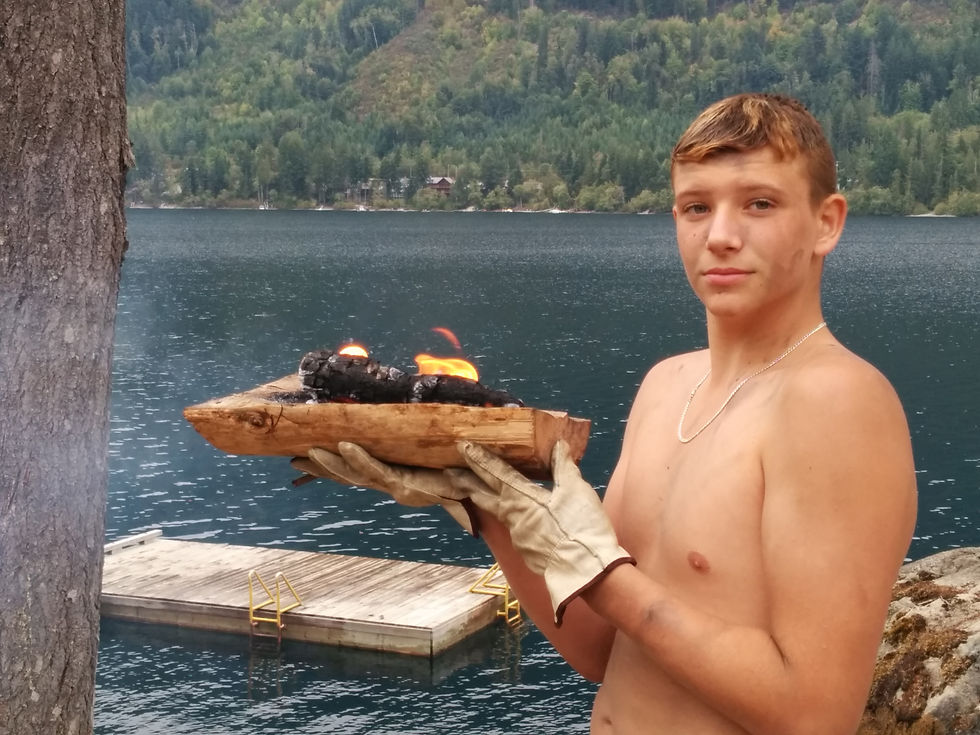
At home in the natural world
Ages 15-17 - Graduates
Leadership and Application
Learners bring together their knowledge and skills through sustained projects, community participation and real-world practice, taking increasing responsibility for their work and contribution.
Learning includes: ecological fieldwork and land-based projects • community leadership
and group coordination • working across different knowledge systems
• reflection, planning and practical problem-solving

Describe your image
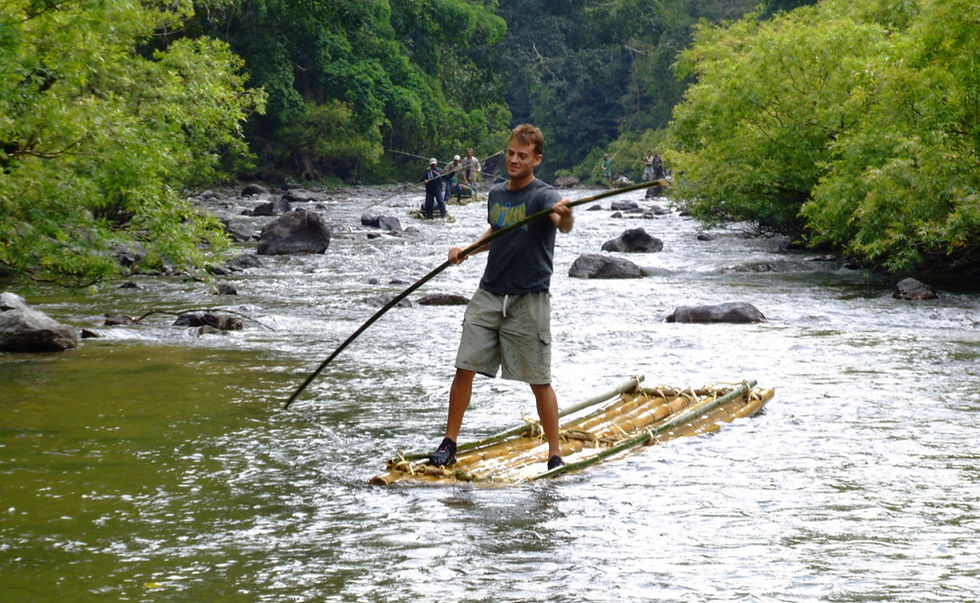
At home in the natural world

Describe your image
The Educator Residency
For Teachers and Educators
A week-long, place-based learning experience that brings
the Connect & Thrive approach into direct practice
What you will do
Explore ecological systems through field experience, practise nature connection and observation, work across different environments, and take part in community dialogue and collaborative learning.
How the week works
Mornings focus on field-based observation and sensory practice. Afternoons combine systems reflection and collaborative inquiry. Evenings bring participants together for dialogue, reflection and integration.
What you take home
Teaching practices you can use with students, greater confidence leading experiential learning, new professional relationships, and practical experience connecting education with place, community and regeneration.


Festival 2100
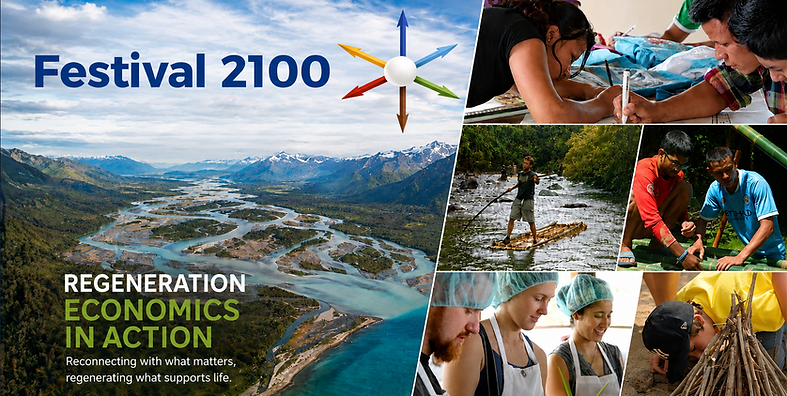
Where the learning comes together
Festival 2100: Regeneration Economics in Action is a travelling living learning experience that brings the River System of Human Time to life. Schools and other visitors journey through five experiential learning areas, exploring how humans have lived, learned, cooperated and organised their societies and economies, and the regeneration transitions that could shape the future.
Festivals take place in different locations around the world, wherever possible beside a river or within a living landscape. Global Care Packs participants join the Festival as trained mentors, working alongside the core Festival team and local communities to turn learning into shared experience and action.